Understanding Information and Communication Technology (ICT): A Beginner’s Guide
Introduction to Information and Communication Technology
Information and Communication Technology (ICT) encompasses a range of technologies that enable the creation, sharing, and management of information. This field integrates telecommunications, computers, and various services such as broadcast media and audio-visual systems. As society becomes increasingly dependent on digital technology, understanding ICT is paramount for navigating the modern world effectively.
The significance of ICT extends far beyond mere communication; it encompasses the infrastructure and systems that support information exchange in various sectors. In education, for instance, ICT facilitates access to vast resources of knowledge and learning materials, fostering a more interactive and engaging learning experience. Digital classrooms equipped with ICT tools empower students to learn at their own pace, enhancing their educational outcomes and preparing them for future challenges.
Moreover, the impact of ICT on business is profound. Enterprises leverage ICT solutions for a variety of functions, including data management, customer service, and online marketing. Through the use of software applications and digital platforms, businesses can streamline operations, enhance productivity, and reach global markets. The rise of e-commerce is a direct result of advancements in ICT, allowing for seamless transactions and efficient customer interactions.
Personal communication has also evolved due to ICT advancements. Smartphones, social media, and instant messaging platforms have transformed how people connect with one another, breaking geographical barriers and enabling real-time interactions. This level of connectivity signifies a fundamental shift in social dynamics, making it easier for individuals to share information and maintain relationships.
In conclusion, Information and Communication Technology plays a crucial role in shaping our daily lives. Understanding its components and significance is essential for leveraging its benefits in education, business, and personal communication.
Defining ICT: Key Components and Scope
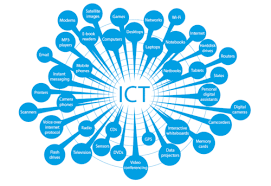
Information and Communication Technology (ICT) represents a broad spectrum of tools, resources, and systems integral to the storage, retrieval, transmission, and manipulation of information. At its core, ICT encompasses a variety of technologies that facilitate communication and data management in myriad forms. The key components of ICT include computers, the internet, mobile devices, networks, and various digital applications, all of which play vital roles in contemporary society.
Computers are fundamental to ICT as they provide the processing power required for applications, data analysis, and online services. In the realm of ICT, computers serve as versatile platforms for software applications and support a multitude of functionalities, enabling users to perform complex tasks efficiently. The internet, often regarded as the backbone of modern ICT, enables global connectivity, fostering communication and information sharing across geographical boundaries. It allows for the interlinking of computer networks, facilitating access to vast amounts of data and diverse resources.
Mobile devices, including smartphones and tablets, further extend the reach of ICT by providing portability and accessibility to information. They serve as means for communication, social interaction, and access to a wide array of applications, significantly influencing daily life and business operations. Networks, both wired and wireless, establish the connectivity necessary for devices to communicate, share resources, and transmit data swiftly. This interconnectivity is critical for effective information exchange and collaboration.
Digital applications comprise software solutions and online platforms that enhance functionalities and user experiences. These applications range from productivity software to communication tools, shaping how individuals and organizations engage with technology. Furthermore, the scope of ICT extends to various domains and industries, including education, healthcare, finance, and entertainment, illustrating its pervasive influence in modern society. The multifaceted nature of ICT underscores its essential role in driving innovation and enhancing communication methodologies across different sectors.
The Convergence of Technology, Communication, and Information Management
In the realm of Information and Communication Technology (ICT), the convergence of technology, communication, and information management plays a pivotal role in fostering an environment conducive to efficient interaction and collaboration. This synergy enables businesses and individuals to access, share, and manage information seamlessly, ultimately enhancing productivity.
Technology serves as the foundational framework that underpins ICT, providing the necessary tools and infrastructure for information transfer. From the advent of computers and the internet to the rise of mobile devices and cloud computing, technological advancements have revolutionized the way users connect and communicate. These developments have led to the creation of various platforms, such as social media, video conferencing, and instant messaging, which facilitate real-time communication across geographic boundaries.
Meanwhile, communication acts as the vehicle through which information is conveyed and understood. In the context of ICT, effective communication encompasses not only verbal interactions but also non-verbal cues, visual aids, and auditory signals. The integration of various communication methods within ICT tools has resulted in a more actionable comprehension of information, allowing users to interpret and utilize data more effectively. By enhancing clarity and engagement, such communication strategies contribute to better-informed decision-making processes.
Moreover, information management is an essential component that ensures the availability, accuracy, and security of data. As organizations increasingly rely on digital formats for information storage and retrieval, efficient information management systems become crucial. These systems encompass various practices, from data governance and compliance to data analytics, facilitating higher productivity rates by allowing timely access to relevant information. Consequently, the interaction of these elements—technology, communication, and information management—transforms the landscape of ICT, leading to enhanced collaboration, innovation, and efficiency within various sectors.
The Role of ICT in Enhancing Communication
Information and Communication Technology (ICT) has significantly transformed traditional communication methods, enabling instantaneous and efficient exchanges of information across the globe. The advent of various digital tools and platforms such as email, social media, and instant messaging has revolutionized how individuals and organizations connect. These technologies have streamlined communication processes, making it easier to convey messages and share information in real time.
Email, one of the earliest forms of digital communication, has become a staple in both personal and professional environments. It allows users to send messages along with attachments, catering to diverse communication needs. The ability to instantly reach multiple recipients has fundamentally altered business operations, facilitating quicker decision-making and collaboration.
Social media platforms also play a pivotal role in enhancing communication by allowing users to share updates, thoughts, and multimedia content with audiences worldwide. Channels like Twitter, Facebook, and LinkedIn have transformed how businesses engage with customers and stakeholders, fostering communities and discussions that would previously have been impractical. These platforms enable organizations to gather feedback, market their products, and maintain a presence within their respective industries.
Instant messaging applications, such as WhatsApp and Slack, further enhance communication by providing real-time chat capabilities. These tools allow for quick exchanges and have become essential for remote teams, bridging the gap created by geographical boundaries. The integration of voice and video calls within these platforms supports deeper connections and collaboration.
Overall, ICT has created seamless connectivity, allowing for an unprecedented pace of information exchange. As technology continues to evolve, the methods of communication will likely further progress, continuing to enhance the way individuals and organizations interact globally.
Impact of ICT on Education
The Transformative Role of Information and Communication Technology (ICT) in Education
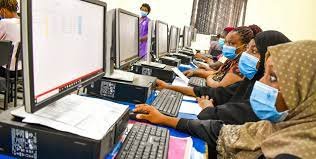
Information and Communication Technology (ICT) has revolutionized the way education is delivered, making learning more accessible, engaging, and effective. The integration of ICT in classrooms and online platforms has redefined traditional teaching methods and opened up new opportunities for students and educators worldwide.
1. Online Education and Virtual Classrooms
One of the most significant advancements in ICT is the emergence of online education. With the growth of virtual classrooms, students can now access quality education from any location, eliminating the limitations of geography. This is especially beneficial for learners in rural and underserved communities, where access to traditional schools may be limited or unavailable.
Remote learning technologies, including video conferencing, digital whiteboards, and learning management systems (LMS), have enabled students to continue their education from the comfort of their homes. These tools promote flexibility, allowing learners to study at their own pace and schedule.
2. Interactive and Engaging Digital Classrooms
ICT enhances the classroom experience by introducing interactive learning tools such as multimedia presentations, animations, simulations, and gamified content. These digital resources cater to various learning styles—visual, auditory, and kinesthetic—making lessons more dynamic and inclusive.
Educators can use platforms like Google Classroom, Kahoot, and Microsoft Teams to create personalized lesson plans that engage students and encourage active participation. The use of real-time feedback, quizzes, and discussion boards promotes collaboration and critical thinking among students.
3. Access to Unlimited Educational Resources
ICT also plays a critical role in the democratization of knowledge. With internet access, students and teachers can explore a vast array of digital content, including:
-
Academic journals
-
E-books
-
Online courses and tutorials
-
Educational websites and apps
This accessibility empowers students to become independent learners, conducting self-paced research and expanding their knowledge beyond classroom instruction.
4. Global Collaboration and Communication
Modern ICT tools facilitate global communication and collaboration. Students can now connect with peers, educators, and experts from around the world through forums, webinars, and virtual study groups. This exchange of ideas and cultural perspectives enriches the educational experience and promotes a more interconnected learning environment.
Conclusion: ICT Is Reshaping the Future of Education
The impact of Information and Communication Technology on education is profound and far-reaching. From online learning platforms to digital classrooms and open-access educational resources, ICT has made education more flexible, inclusive, and interactive. As technology continues to evolve, its role in shaping the future of education will only become more prominent, offering even greater opportunities for learners everywhere.
ICT in the Business World

Information and Communication Technology (ICT) plays a pivotal role in the modern business landscape. Organizations increasingly rely on ICT to streamline their operations, enhance data management, and improve customer service. By integrating various technologies, businesses are able to optimize their workflows and achieve greater efficiency.
The use of ICT in operational processes allows for automation, which reduces manual effort and minimizes the risk of human error. These technologies facilitate better coordination among different departments, ensuring that information flows seamlessly across the organization. For instance, enterprise resource planning (ERP) systems enable businesses to consolidate their data management, giving decision-makers real-time insights into performance metrics. This accessibility of information supports informed decision-making and strategic planning.
Customer service has also been revolutionized by advancements in ICT. With the advent of digital communication tools, companies can now communicate with their clients through various channels, such as email, social media, and live chat. This multitude of options not only improves response times but also enhances customer satisfaction. Additionally, businesses can utilize customer relationship management (CRM) software to analyze customer interactions and feedback, allowing for tailored marketing strategies that cater to individual preferences.
Moreover, the impact of ICT on marketing cannot be understated. Digital marketing strategies, such as search engine optimization (SEO), pay-per-click advertising, and social media campaigns, have fundamentally changed how businesses engage with their target audiences. By harnessing data analytics, organizations can identify trends and adapt their marketing strategies to maximize reach and effectiveness, thereby increasing their competitive edge in the marketplace.
In essence, the strategic application of ICT enables businesses to enhance productivity, improve customer relations, and increase market share, making it an indispensable tool in today’s competitive environment.
The Social Implications of Information and Communication Technology (ICT)
Information and Communication Technology (ICT) has become a vital part of modern life, shaping how people interact, learn, work, and participate in society. From social networking to online education, ICT has created powerful new ways to communicate, access knowledge, and connect with the world. However, alongside its benefits, ICT also presents real challenges—particularly in terms of equity, privacy, and digital skills.
In this post, we’ll explore the positive and negative social impacts of ICT, including how it affects communication, information access, digital inclusion, and personal privacy.
1. How ICT Enhances Social Communication
ICT has revolutionized the way we interact, breaking down geographic and time barriers. Social media platforms like Facebook, Instagram, and X (formerly Twitter), along with messaging apps such as WhatsApp and Telegram, have become central to daily communication.
People can:
-
Chat instantly with friends and family across the globe
-
Create online communities around shared interests
-
Collaborate on projects remotely through tools like Zoom and Google Meet
This digital connectivity allows for real-time communication, cross-cultural interaction, and even remote work opportunities, making the world feel more interconnected than ever.
2. Democratization of Information Through ICT
One of the most powerful social contributions of ICT is equal access to information. The internet has made it possible for people to access:
-
Free educational content (e.g., Khan Academy, Coursera)
-
News and current events in real-time
-
Research and open-source knowledge
This information access empowers individuals to:
-
Make informed decisions
-
Pursue self-education and skill development
-
Advocate for social and political causes
ICT has become a tool for social empowerment and global awareness, especially for marginalized communities seeking a platform to be heard.
3. The Digital Divide: A Growing Social Concern
Despite the benefits, ICT also exposes one of society’s greatest challenges: the digital divide. This refers to the gap between those who have regular access to modern technology and those who do not.
The digital divide often reflects:
-
Socioeconomic inequality
-
Rural vs. urban infrastructure gaps
-
Education level disparities
Without access to ICT, individuals can be excluded from:
-
Online learning and job opportunities
-
Government services and telehealth
-
Social participation and cultural exchange
Bridging the digital divide is essential to achieving digital inclusion and ensuring that no one is left behind in the digital age.
4. Privacy and Data Security in the Digital World
As more of our lives move online, concerns about online privacy and data protection have become increasingly urgent. Many users unknowingly share personal data through apps, websites, and social media platforms.
The risks include:
-
Identity theft
-
Data breaches
-
Unauthorized surveillance
-
Targeted manipulation (e.g., fake news, algorithms)
Users must become aware of how their data is collected and used, while governments and companies must uphold ethical standards for data security and user consent.
5. The Importance of Digital Literacy
For individuals to fully benefit from ICT, they must develop strong digital literacy skills. Digital literacy goes beyond knowing how to use a smartphone—it includes:
-
Evaluating the credibility of online content
-
Protecting one’s digital identity
-
Navigating social platforms responsibly
-
Understanding cyberbullying and misinformation
Without digital literacy, individuals may fall victim to scams, spread false information, or miss out on opportunities. Promoting digital education is vital for safe and informed participation in today’s tech-driven society.
Conclusion: A Balanced View of ICT’s Social Impact
ICT has the power to connect people, spread knowledge, and inspire change. It has created a more informed and interconnected world, but it also brings significant challenges—such as digital inequality, privacy threats, and a need for stronger digital literacy.
To fully realize the potential of ICT in society, we must:
-
Invest in digital infrastructure
-
Promote equal access to technology
-
Protect privacy rights
-
Educate users on safe and effective tech use
Future Trends in ICT
The realm of Information and Communication Technology (ICT) is set for profound transformation as emerging trends reshape the landscape and enhance the way we interact with technology. One of the most significant advancements is the integration of artificial intelligence (AI) into various ICT applications. AI not only automates mundane tasks but also enhances data analysis and decision-making processes. This capability allows businesses and individuals to derive insights from vast amounts of data, thereby improving efficiency and fostering innovation.
Another critical development is the expansion of the Internet of Things (IoT), which refers to the interconnection of everyday devices via the internet. This technology enables diverse devices, from household appliances to industrial machines, to communicate and share data seamlessly. As IoT continues to evolve, it promises to enhance user experience, optimize energy consumption, and improve service delivery in various sectors, including healthcare, transportation, and smart cities. Moreover, IoT’s potential to generate and analyze real-time data can lead to better decision-making and resource management.
Additionally, the rollout of 5G technology is anticipated to revolutionize connectivity. With significantly faster data speeds and lower latency compared to previous generations, 5G can support an array of applications that require real-time data processing and communication. This technology will facilitate advancements in augmented reality (AR), virtual reality (VR), and telecommunication, ultimately driving greater interaction between users and technology. As these advancements take root, the implications for information sharing, communication, and the overall use of technology will be substantial.
Looking ahead, as AI, IoT, and 5G technology continue to mature, the possibilities for ICT are boundless. These innovations not only promise to enhance operational capabilities but also foster a more connected and efficient world.
Conclusion: The Essential Nature of ICT in Modern Society
In conclusion, Information and Communication Technology (ICT) plays a pivotal role in shaping our modern world. Its impact extends far beyond mere technical advancements; it fundamentally alters how individuals and organizations communicate, share information, and operate in an increasingly digital landscape. By providing tools for efficient communication, ICT has become an essential facilitator of everyday activities, enhancing productivity and fostering innovation across various sectors.
The significance of Information and Communication Technology is evident in its ability to bridge geographical distances, allowing for seamless collaboration and connectivity. Whether it is through email, social media, or video conferencing technologies, ICT enables instantaneous interaction, facilitating the exchange of ideas and information. This interconnectedness not only empowers individuals to stay informed but also enhances organizational capabilities, making them more agile and responsive to changing market demands.