How Global Music Influences Today’s Entertainment Industry
Introduction: The Intersection of Music and Culture
Entertainment is deeply shaped by global music, which reflects the diverse cultural landscapes of the world. With countless styles, genres, and traditions, music weaves into the rich fabric of the industry. Often called a universal language, it transcends borders and connects people across backgrounds, fostering shared experiences. This cultural exchange not only enriches music itself but also inspires other forms of entertainment, including film, television, and live performances
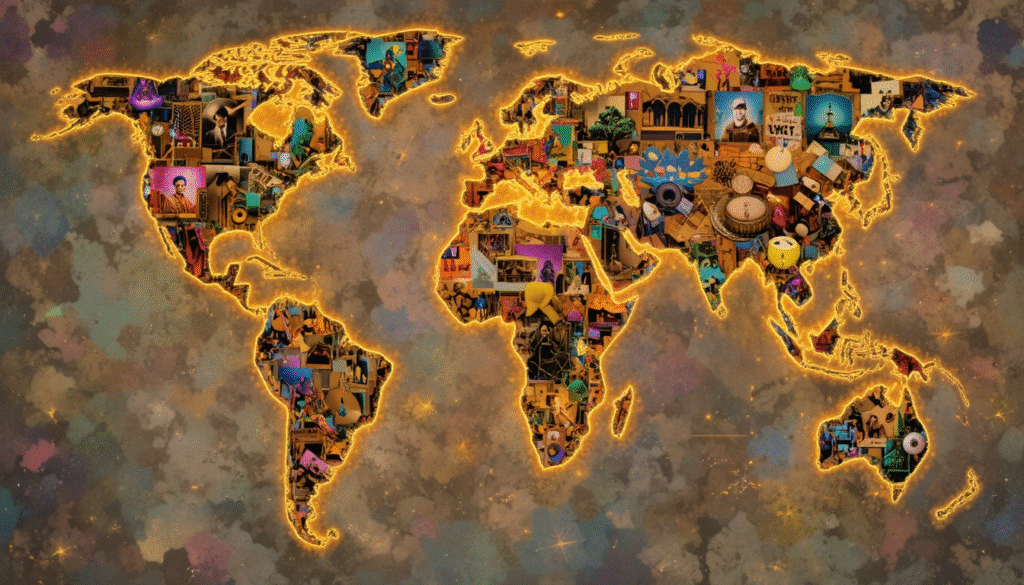
The significance of global music lies in its ability to merge various influences, leading to innovative collaborations and new artistic expressions. Artists today frequently draw inspiration from different cultural elements, resulting in fusion genres that challenge traditional definitions of music. For instance, the incorporation of African rhythms and melodies into Western pop or the blending of traditional Indian instruments with contemporary electronic music illustrates the transformative potential of cross-cultural exchanges in the modern entertainment landscape.
This evolution has consequential effects on the global entertainment industry. Music festivals featuring artists from around the world promote not only musical diversity but also cultural understanding and appreciation. Moreover, streaming platforms have democratized access to international music, allowing diverse sounds to reach listeners far beyond their original context. As a result, audiences are becoming more open to exploring genres and styles that were once foreign to them, effectively reshaping tastes and preferences across the globe.
In essence, the intersection of music and culture is fundamental in shaping today’s entertainment industry. As music continues to evolve through the blending of diverse cultural influences, it remains a powerful catalyst for change, bridging divides and fostering a sense of community that celebrates our shared humanity.
A Brief History of Global Music
The evolution of global music is a rich tapestry woven with diverse threads of cultural interaction and historical events. From ancient times, music has served as a fundamental means of communication and expression, transcending geographical boundaries. As civilizations developed, so too did their musical traditions. The earliest forms of music were primarily vocal, accompanied by rudimentary instruments. Over time, these early sounds began to evolve through both cultural influences and technological advancements.
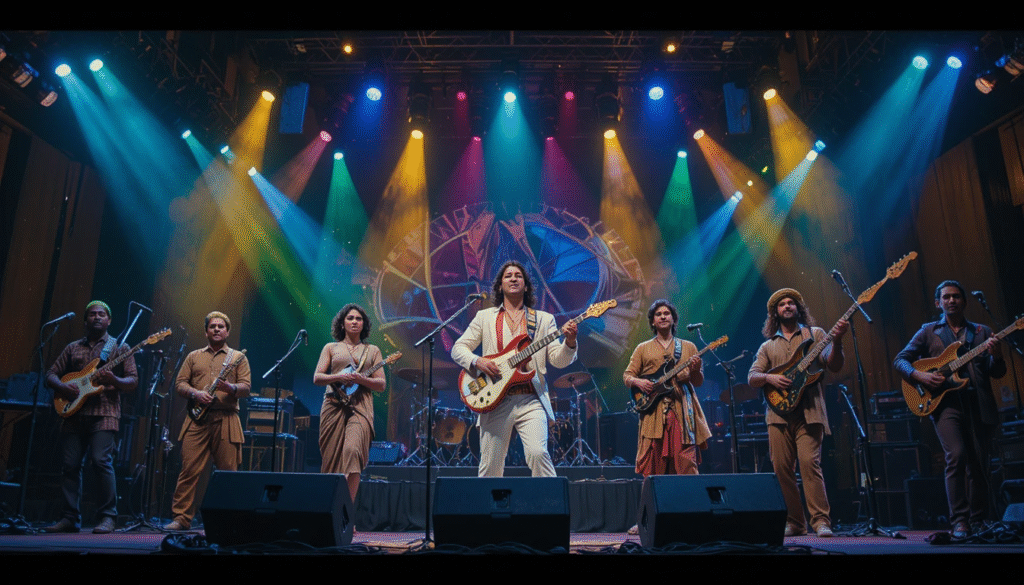
As trade routes established connections between distant cultures, mutual exchange not only enriched commerce but also facilitated the sharing of musical ideas. The interactions among different traditions, such as African rhythms influencing the melodies of European settlers, have laid the groundwork for the creation of fusion genres. Noteworthy key moments include the Columbian Exchange, which marked the introduction of African slaves to the Americas. Their musical traditions became foundational in the development of jazz, blues, and eventually rock and roll.
The 20th century witnessed transformative events, such as the emergence of radio and television. These platforms played a crucial role in disseminating music across global audiences. The invention of recording technology allowed for the preservation and proliferation of various musical styles, enabling artists from diverse backgrounds to share their creativity. Moreover, cultural movements, such as the British Invasion in the 1960s, prompted cross-pollination of musical styles, paving the way for the worldwide popularity of genres such as reggae, hip hop, and pop.
Ultimately, global music is characterized by its dynamic nature. The constant intermingling of traditions fosters innovation, encouraging contemporary artists to explore their cultural heritage while experimenting with new sounds. Today, the music landscape reflects this historical journey, showcasing a melting pot of genres, styles, and influences that illustrate the depth and richness of human expression through music.
The Impact of Music on Film and Television
Music has long been an integral component of film and television, serving not only as an accompaniment to visual narratives but also as a key driver of emotional engagement and storytelling. The impact of global music on these mediums has become increasingly pronounced, as creators draw from diverse cultural soundscapes to enhance their works. This cross-cultural incorporation enriches the viewing experience and reflects the growing interconnectedness of an increasingly globalized world.
One of the most notable ways global music influences film and television is through the use of diverse soundtracks. Filmmakers and showrunners frequently select music that resonates with the specific settings, characters, and traditions portrayed in their projects. For instance, a film set in India may incorporate Bollywood music, while a series depicting life in Nigeria might utilize Afrobeat. These choices not only lend authenticity but also immerse the audience in the cultural context. Global music not only broadens the auditory palette but also engages a wider audience, catering to various tastes and preferences.
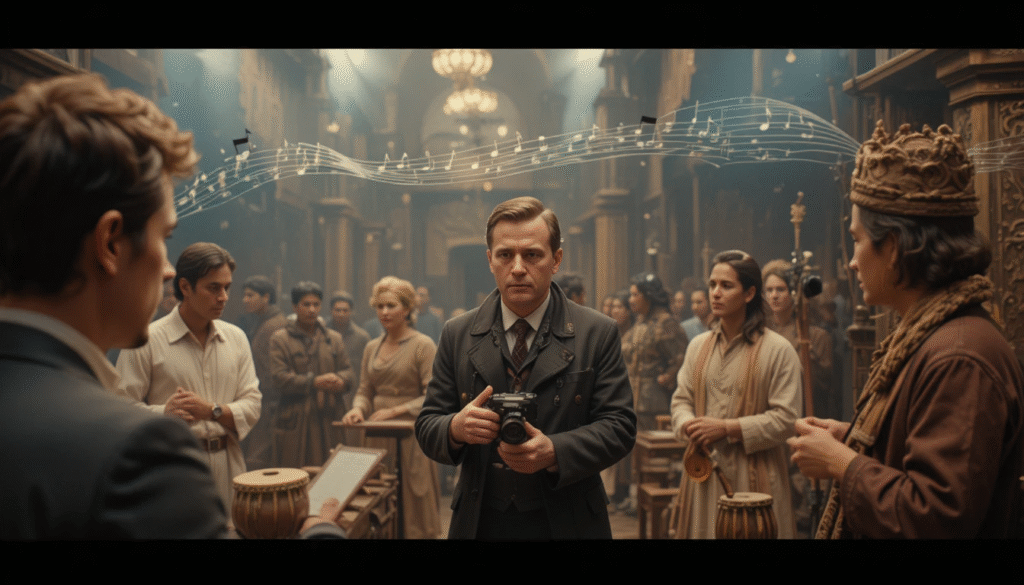
The integration of international artists into entertainment productions has also contributed significantly to the evolution of modern storytelling. Collaborations between artists from different backgrounds lead to innovative sound combinations and foster a spirit of artistic exchange. By featuring diverse musical talents, films and television series can transcend geographical boundaries, creating universal narratives that appeal to a large audience. This collaboration often involves artists contributing their cultural expertise, thereby enhancing the narrative’s depth and authenticity.
The influence of global music on film and television ultimately boils down to its profound capacity to elevate storytelling. Music lends emotional weight to scenes, deepening viewers’ connections to characters and plotlines. The incorporation of culturally rich soundtracks can evoke memories and feelings unique to each audience member, thereby allowing for a more resonant viewing experience. Enhancing the narrative with global music highlights the power of sound in shaping both individual and collective experiences within the entertainment industry.
Fashion Meets Music: Cultural Inspirations in Style
The relationship between music and fashion is a dynamic and evolving phenomenon, one that intricately weaves itself into the fabric of popular culture. Music scenes from around the globe have consistently inspired fashion trends, with iconic musicians serving as cultural touchstones that set the standard for style. Artists like David Bowie, Madonna, and Beyoncé have not only defined their musical genres but have also influenced fashion landscapes, compelling designers and fans alike to adopt styles that reflect their artistry.
Fashion is often seen as a visual expression of musical genres; for instance, the punk movement of the 1970s brought leather jackets, ripped jeans, and combat boots to the forefront, echoing the rebellious nature of the music itself. Similarly, hip-hop has transformed streetwear into a global phenomenon, where oversized clothing, bold prints, and sportswear are synonymous with the genre. This interplay between music and fashion enables artists to express their identity while influencing the sartorial choices of their followers.
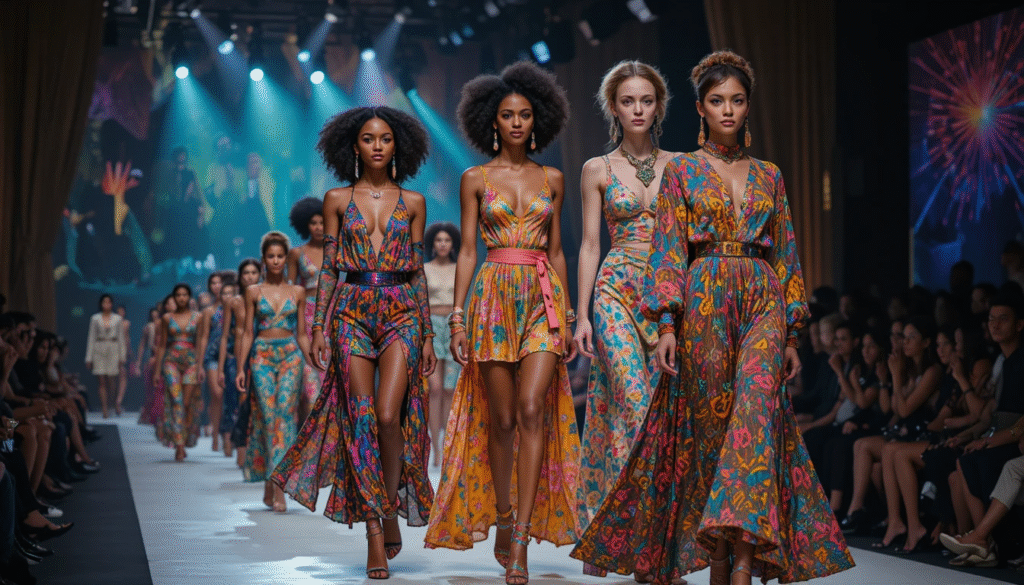
Furthermore, music festivals such as Coachella and Glastonbury play a pivotal role in shaping contemporary fashion trends. These gatherings serve as melting pots of culture, drawing attendees who showcase a myriad of styles inspired by various musical acts. From bohemian flare to avant-garde pieces, the fashion seen at these events often sets trends that permeate mainstream culture. As attendees curate their festival wardrobes, they draw inspiration from the artists performing on stage, leading to an ever-evolving cycle of creativity and cultural exchange.
The cross-pollination of cultural aesthetics is particularly noteworthy in today’s globalized world. With access to diverse musical platforms, individuals are increasingly exposed to styles from different regions, allowing for unique amalgamations of fashion influences. Today’s artists frequently incorporate elements from world music into their personal styles, merging traditional garments with contemporary designs, thereby enriching the global fashion narrative.
Live Performances: A Melting Pot of Cultures
Live performances represent a vibrant manifestation of global music, acting as a melting pot where diverse cultures converge to create unique concert experiences. Over recent years, we have witnessed a notable rise in multicultural festivals, where artists from various backgrounds share their music on a common platform. These events not only celebrate individual musical traditions but also foster an environment of cultural exchange, allowing attendees to appreciate the wide spectrum of sounds and rhythms the world has to offer.
The blending of musical genres in live shows exemplifies how global music influences contemporary performances. For instance, it is increasingly common to see fusion bands that incorporate elements from traditional music styles, such as Afrobeat, Flamenco, or Reggae, alongside modern genres like hip hop or electronic dance music. This innovative integration not only broadens the scope of musical expression but also invites audiences to explore the cultural narratives embedded in each performance. Audiences are often taken on a journey that transcends geographical borders, all through the universal language of music.

Moreover, the interaction between artists and audiences from diverse cultural backgrounds enhances the concert experience, creating an atmosphere of camaraderie and mutual appreciation. When performers draw from their heritage while engaging with international audiences, it fosters a sense of connection that transcends language barriers. The energy generated in such environments propels live music to new heights, making each performance a genuine celebration of diversity. This evolving landscape underscores the essential role of global music in shaping today’s entertainment industry and illuminates the possibilities that emerge when cultures unite through shared rhythms and melodies.
The Role of Technology in Cultural Exchange
The advent of technology has significantly transformed the landscape of cultural exchange, particularly in the realm of global music influences. Streaming platforms, such as Spotify and Apple Music, have emerged as pivotal players in the dissemination of diverse sounds from around the world. These services allow users to discover and enjoy music that may otherwise be inaccessible due to geographical or cultural barriers. The convenience of accessing a multitude of genres fosters a unique environment where users are encouraged to explore musical styles from different cultures, thereby promoting a broader appreciation of global artistry.
Moreover, social media platforms such as Instagram, TikTok, and YouTube have revolutionized how musicians promote their work and connect with audiences. These channels enable artists to share their music and cultural narratives directly with fans, bypassing traditional gatekeepers like record labels. This democratization of the music industry allows a wider array of voices to be heard; aspiring musicians from various backgrounds can showcase their talents to a global audience, thereby enriching the cultural fabric of the entertainment industry.
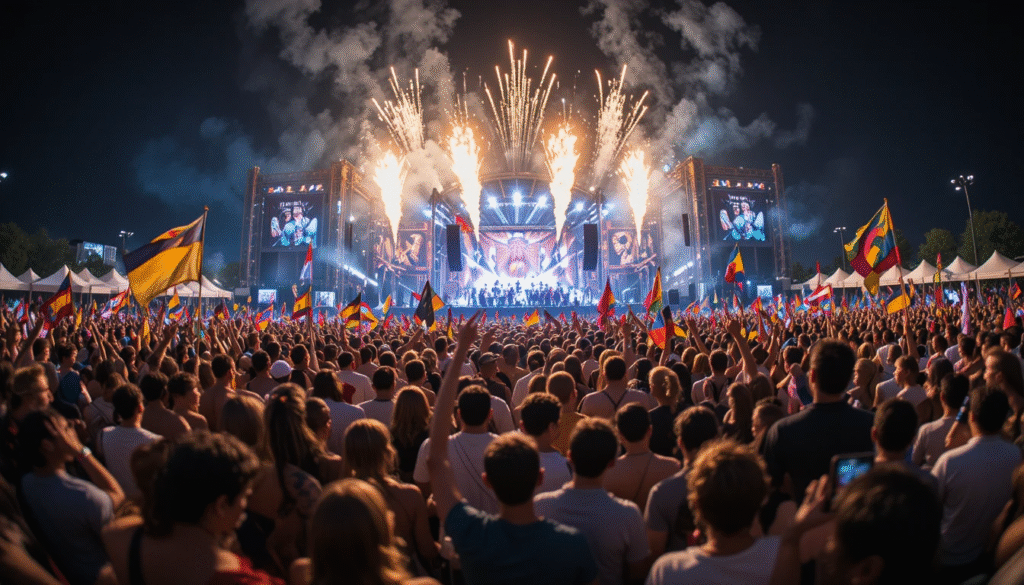
Additionally, technology facilitates real-time cultural exchange, enhancing collaboration between artists from differing backgrounds. For instance, a musician in Brazil can easily collaborate with a producer in Japan through digital communication tools, resulting in innovative fusions of musical styles. Such partnerships exemplify how technology breaks down cultural walls and promotes an environment ripe for creativity and inspiration.
In conclusion, the role of technology in cultural exchange is pivotal; it not only enables the exploration and distribution of diverse musical influences but also allows for a more inclusive music industry. As technology continues to advance, so too does the potential for global music to shape the entertainment landscape effectively.
Music and Media: Shaping Public Perception
The intersection of music and media is a vital area that significantly influences public perception of global music. Various media platforms, including television, radio, social media, and streaming services, are instrumental in promoting diverse musical genres and artists from different cultural backgrounds. This not only increases visibility but also helps foster appreciation for the artistic contributions of various cultures. The representation of artists and their music plays a critical role in shaping societal views and narratives about those cultures, potentially bridging gaps and building understanding. Music journalism is another essential element in this dynamic, as it provides a platform for critique, celebration, and exploration of global music trends. Journalists and critics dissect musical works, provide context, and offer insights that inform audiences about the cultural backgrounds of the artists they are exposed to. This aspect of media significantly influences how audiences perceive not only the music itself but also the cultures from which it originates. When journalists authentically represent music and its cultural significance, they help create a more nuanced understanding and foster greater cultural appreciation
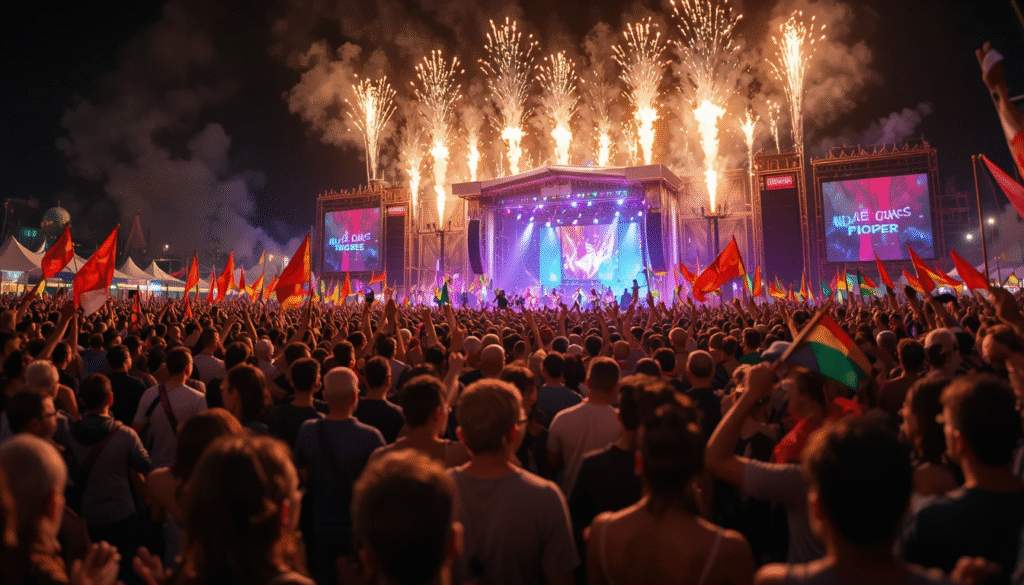
Media representation can sometimes perpetuate stereotypes or simplify complex cultural elements, potentially leading to misconceptions. However, when media outlets strive for authenticity and inclusiveness, they can elevate underrepresented music and artists, thereby challenging stereotypes and enriching public discourse. The influence of media extends to social networks, where fan interactions with artists can create a community atmosphere that further entrenches global music within popular culture, impacting trends, tastes, and consumption patterns.
Ultimately, the interplay between music and media shapes how audiences engage with various cultures. This synergy is critical in promoting an informed appreciation of global music, allowing diverse artistic expressions to achieve broader exposure and acceptance in today’s entertainment landscape.
Challenges and Opportunities in Embracing Diversity
The entertainment industry stands at a crossroads where the integration of diverse global music cultures offers both significant challenges and opportunities. One of the primary challenges faced by industry stakeholders is the risk of cultural appropriation. As artists and producers draw inspiration from various musical traditions, there exists a fine line between appreciation and exploitation. Misrepresentation can lead to a lack of authenticity, often undermining the cultural significance of the original music, which diminishes the profound stories and emotions embedded within those traditions. This challenge highlights the necessity for a more nuanced and respectful approach to cultural engagement.
Moreover, the entertainment sector grapples with identifying diverse voices among industry gatekeepers, such as record labels and producers. The underrepresentation of artists from different backgrounds can stifle innovation and creativity, leading to a homogenization of music that fails to reflect the rich tapestry of global cultures. This lack of representation not only affects the artists themselves but also limits audiences’ exposure to a wider variety of musical expressions, potentially stunting the growth of the industry.
Conversely, the increasing globalization of music presents numerous opportunities for collaboration and growth. As technology facilitates access to diverse musical forms, artists can experiment and blend genres, leading to innovative fusions that resonate with broader audiences. This cross-pollination of styles not only enriches the entertainment landscape but also promotes cultural exchange, allowing for deeper connections among listeners from varied backgrounds. By prioritizing inclusivity and collaboration, the industry can harness the creativity and unique perspectives of a global talent pool.
In essence, embracing diversity within the entertainment industry can pave the way for a more authentic representation of global music cultures, ensuring that the richness of diverse traditions is celebrated while addressing the need for respect and authenticity in artistic expressions.
Conclusion: The Future of Global Music in Entertainment
The landscape of the entertainment industry is undergoing a remarkable transformation, largely driven by the influence of global music. As cultures continue to intersect through technological advances and international collaborations, the relevance of global music will only increase in the years to come. The fusion of diverse musical styles not only enhances artistic expression but also caters to an ever-evolving audience that seeks authenticity and variety. This dynamic environment encourages artists and producers alike to explore beyond their traditional borders, consequently fostering a rich tapestry of cultural exchange.
One significant trend to watch is the rise of collaborative projects between artists from different cultural backgrounds. These partnerships can lead to innovative sounds that resonate with a broader demographic, thereby capturing the attention of global audiences. The integration of global music elements in mainstream media, including films, television, and online streaming platforms, will become increasingly prevalent. Such exposure is likely to cultivate a greater appreciation for cross-cultural art forms, allowing for the emergence of new genres that blend traditional and contemporary styles.
Moreover, the accessibility of digital platforms and social media will continue to play a crucial role in democratizing music distribution. Aspiring artists from various parts of the world can now share their work and connect with audiences on a global scale. This connectivity not only amplifies diverse voices but also encourages cultural collaboration that extends beyond mere musical contributions. With the current trajectory, it is clear that global music will remain a fundamental component of the entertainment industry, evolving alongside societal shifts and technological advancements.
In conclusion, as the world becomes more interconnected, the influence of global music in entertainment will be profound. Observing evolving trends and the ongoing interplay of various cultural influences will certainly be essential for stakeholders within the industry to adapt and thrive in this vibrant, changing landscape.