Building a Strong Professional Portfolio: Showcasing Your Skills and Achievements

Introduction to Professional Portfolios
In today’s competitive job market, having a professional portfolio is essential for individuals seeking to differentiate themselves from their peers. A professional portfolio serves as a curated representation of one’s skills, experiences, and accomplishments. It goes beyond the traditional resume by allowing candidates to provide tangible evidence of their capabilities, thereby enhancing their personal brand.
A well-structured portfolio can showcase a variety of attributes such as work samples, certifications, and testimonials from colleagues or clients. By highlighting specific projects and achievements, candidates can vividly demonstrate their expertise in a way that static documents, like resumes, often cannot. This dynamic showcase of talent can be particularly beneficial in fields where creative and technical skills are paramount, such as design, marketing, and information technology.
Moreover, a professional portfolio allows individuals to narrate their career journey. By compartmentalizing projects and accomplishments according to themes or skills, candidates can effectively convey their progression and adaptability over time. This narrative aspect not only illustrates one’s qualifications but also reflects growth and competence, attributes that employers highly value. Furthermore, an impressive portfolio can spark discussions during interviews, providing a platform for candidates to elaborate on their unique experiences and problem-solving capabilities.
As the job market continues to evolve, recruiters are increasingly seeking candidates who can effectively demonstrate their qualifications and skills. This shift highlights that a mere resume may not suffice in illustrating the full scope of an individual’s professional identity. Therefore, investing time and effort into creating a professional portfolio could significantly enhance employability and career advancement opportunities. Embracing this tool is a proactive step toward achieving personal and professional goals in an ever-changing employment landscape.
Selecting Your Best Work
Creating a professional portfolio requires careful consideration of the work samples you choose to include. The foundation of a strong portfolio lies in presenting pieces that not only showcase your skills but also align with your career goals and the interests of your target audience. Start by reflecting on your professional journey and identifying projects that demonstrate your range of abilities. Aim for diversity in your samples, representing various skills and techniques relevant to your field.

When evaluating potential work samples, consider the impact each project had on your professional development. Look for pieces that not only highlight your technical competencies but also emphasize soft skills such as teamwork, communication, and problem-solving. This holistic representation of your capabilities will appeal to potential employers or clients, giving them a well-rounded understanding of what you can offer.
Additionally, context is crucial in selecting your best work. When showcasing a project, be sure to explain the challenges you faced, the actions you took, and the results you achieved. This narrative provides valuable insights into your thought process and illustrates your ability to navigate complex situations effectively. Include metrics or outcomes when possible, as these demonstrate tangible results that can strengthen your case.
Certificates and accolades can also enhance your portfolio. If you have received awards or completed relevant training programs, include these achievements to further substantiate your qualifications. Ultimately, the key is to curate a selection of work that not only represents your best efforts but also aligns with your long-term professional aspirations. By thoughtfully selecting your samples, you create a portfolio that is both compelling and reflective of your unique skill set.
Organizing Your Portfolio
A well-organized portfolio is essential for showcasing your professional skills and achievements effectively. To create a cohesive and easily navigable portfolio, it’s advisable to divide your content into key categories that allow viewers to quickly grasp your qualifications and work history. Consider incorporating the following sections:
About Me: This introductory section should offer a brief overview of your background, including relevant education, professional experiences, and career aspirations. Tailor this narrative to reflect your unique personality and values, while ensuring it aligns with the industry standards of your field. A compelling “About Me” section sets the tone for the rest of your portfolio and helps viewers understand your motivations and goals.

Skills: Highlighting your core competencies is crucial in demonstrating what you bring to the table. Organize this section into hard and soft skills relevant to your field. For example, you might list technical proficiencies, language capabilities, or communication skills. Where appropriate, provide examples or brief descriptions that evidence these skills. This not only reinforces your expertise but also helps potential employers visualize your capabilities in practical terms.
Work Samples: It is vital to showcase your best work in a well-structured manner. Depending on your profession, this might include case studies, project summaries, writing samples, or visual representations of your work. Each sample should be accompanied by a brief description detailing the context, your role, and the outcomes achieved. This gives viewers insight into your hands-on experience and problem-solving abilities.
Achievements: In this section, outline your professional milestones, certifications, and recognitions. Listing accomplishments quantifies your success and portrays you as a candidate who meets and exceeds expectations. Examples can include awards received, projects led, or performance benchmarks consistently met. A dedicated achievements section reinforces the narrative of your professional journey and highlights your dedication to continuous improvement.
By structuring your portfolio in this manner, you create a clear pathway for viewers to navigate and understand your value proposition. This organized approach to showcasing your skills and achievements not only enhances readability but also strengthens your overall professional image.
The Power of Visual Presentation
In today’s competitive professional landscape, the importance of visual presentation in a portfolio cannot be overstated. High-quality visuals serve as not just embellishments but as fundamental elements that enhance the overall appeal of your work. A portfolio that effectively incorporates visuals tends to capture attention quickly, engage viewers more deeply, and convey messages more powerfully. This transformative power of visuals lies in their ability to illustrate complex concepts and showcase achievements in a clear and compelling manner.
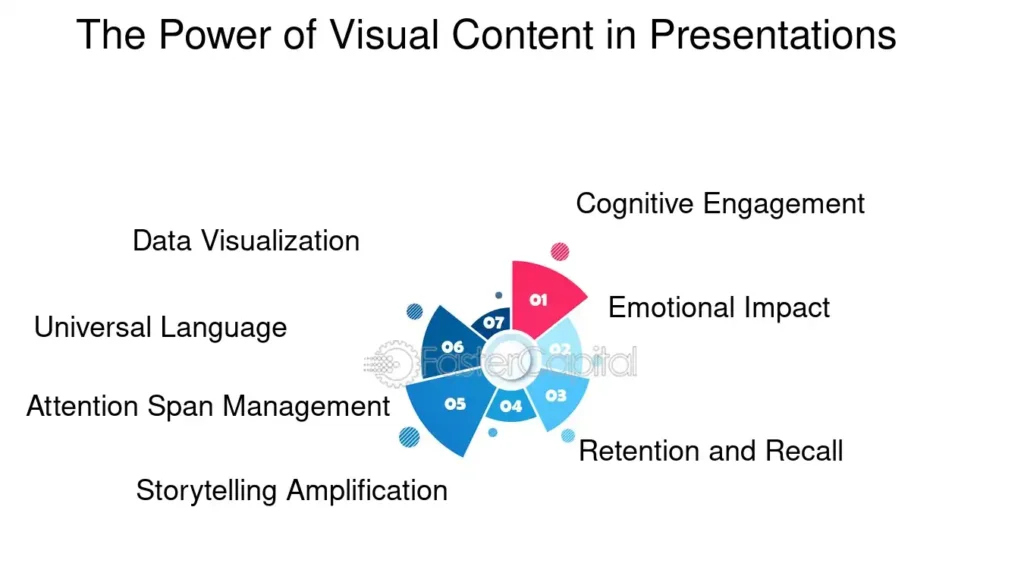
Using visuals in your portfolio helps to break up text, making information more digestible. Images, graphs, and infographics can summarize data or highlight key achievements much more effectively than text alone. They also provide a glimpse into your creative process and technical skills, thereby allowing potential employers or clients to appreciate the quality of your work firsthand. As such, carefully selecting and formatting images is crucial to creating an impactful professional portfolio.
When choosing visuals, prioritize high-resolution images that accurately represent your work. Low-quality images can detract from the professionalism of your portfolio and may misrepresent your capabilities. Additionally, consider the context in which these visuals will be presented; ensure that they are relevant and directly tied to the content they accompany. Consistency in style, color palette, and format can help create a cohesive visual narrative throughout your portfolio. Furthermore, consider complementing visuals with brief descriptions to provide context and allow viewers to understand the significance of each item.
Ultimately, the power of visual presentation lies in its ability to strengthen your professional portfolio, making it not only a repository of your achievements but also an engaging narrative of your professional journey. By thoughtfully integrating visuals, you contribute to an impactful representation of your skills that resonates with viewers and enhances their endorsement of your capabilities.
Writing Compelling Descriptions
Crafting concise and impactful descriptions is a crucial aspect of building a strong professional portfolio. When presenting your work samples, the descriptions should go beyond mere job duties; they need to articulate the value of your contributions and the results you achieved. Effective descriptions not only enhance the appeal of your portfolio but also clearly demonstrate your skills and expertise, making a lasting impression on potential employers or clients.
To begin with, focus on the outcomes of your projects rather than just listing tasks. For instance, instead of stating that you “managed a marketing campaign,” you might say, “developed and executed a marketing campaign that increased website traffic by 40% over three months.” This approach emphasizes not only your role but also the tangible results of your efforts, creating a more compelling narrative.
Another key element is to use action verbs that convey decisiveness and effectiveness. Terms like “initiated,” “designed,” “achieved,” or “optimized” not only strengthen your descriptions but also indicate your active engagement in the projects. By employing powerful language, you can make the reader visualize your contributions more vividly. Additionally, consider including metrics or specific outcomes to quantify your success. The inclusion of numbers provides concrete evidence of your impact, making your portfolio descriptions more persuasive.
It’s also important to contextualize your work within the bigger picture. Discuss the challenges you faced, the strategies you implemented, and how your actions influenced the project’s success. This reflection adds depth to your work samples, showing that you can think critically and adapt to various situations. Remember to maintain clarity and avoid jargon, as your descriptions should be easily understandable. Writing compelling descriptions is a skill that, when honed, greatly enhances the effectiveness of your professional portfolio.
Including Contact Information and Bio
One of the essential components of a strong professional portfolio is the inclusion of accurate contact information and a well-crafted bio. These elements serve as vital gateways for potential employers and collaborators to reach out and learn more about you. It is important to list various methods through which you can be contacted, such as an email address, a phone number, and links to professional social media profiles or personal websites. The contact section should be clearly visible, ensuring that it is easy for readers to locate this crucial information.
A concise and engaging bio is equally significant. This brief narrative provides insight into your professional journey, showcasing your skills, experiences, and career aspirations. A well-structured bio can cultivate a positive impression, making you more memorable to potential employers. When drafting your bio, consider emphasizing key achievements that reflect your expertise and dedication to your field. Additionally, integrating elements that outline your career goals and professional identity can help to establish a connection with readers, making your portfolio more relatable and impactful.
When creating your bio, aim for a tone that reflects your personality while maintaining professionalism. Use of the first person can make the narrative feel more inviting and personable, but ensure that it remains polished. Furthermore, including any relevant certifications or unique skills can help set you apart from other candidates. Always keep your audience in mind and tailor your bio to the industry you are targeting, as this can further align your professional identity with potential job opportunities.
Overall, incorporating your contact information and a compelling bio in your portfolio is fundamental. These elements not only improve accessibility but also provide a broader context for your professional narrative, helping employers understand your qualifications and aspirations effectively.
Showcasing Real Results
In constructing a compelling professional portfolio, the emphasis on quantifying achievements cannot be overstated. Metrics and tangible outcomes serve as concrete evidence of your skills and capabilities, significantly enhancing credibility with potential employers or clients. Simply stating your roles and responsibilities may not be sufficient to convey your true impact; instead, highlighting specific results provides a clearer picture of your contributions to projects or organizations.
For instance, when detailing your experience, rather than only noting that you managed a team, consider stating the outcomes of your leadership. A phrase like “Led a team of five in a project that increased sales by 20% over six months” offers a powerful testament to your effectiveness as a leader. This type of detailed account not only illustrates your capabilities but allows potential employers to envision the type of results they can expect if they engage your services.
In addition to percentage increases, incorporating other metrics such as cost savings, efficiency improvements, or growth figures can bolster your portfolio. If you reduced expenses by implementing a new process, specifying a dollar amount can create a lasting impression. For example, saying “Reduced operational costs by $15,000 annually through process optimization” encapsulates your ability to make a measurable impact. such quantifiable achievements can set you apart in a competitive landscape.
Furthermore, including visual elements such as graphs or charts to represent these metrics can enhance engagement and understanding. Visual data not only attracts attention but also simplifies complex information, enabling viewers to grasp your achievements at a glance. Thus, when constructing your portfolio, prioritize showcasing real results through quantifiable metrics that reflect your skills and validate your professional worth. By doing so, you will significantly enhance the overall appeal and effectiveness of your portfolio.
Keeping Your Portfolio Updated
Maintaining an updated professional portfolio is essential for showcasing your skills and achievements effectively. An up-to-date portfolio not only reflects your current abilities but also demonstrates your commitment to continuous improvement and professional development. As you complete new projects or acquire new skills, taking the time to refresh your portfolio is crucial for making a strong impression on potential employers or clients.
One of the first steps in managing your portfolio updates is to set a regular schedule for reviews. Consider dedicating time each month or quarter to assess your portfolio contents. During this review, evaluate which projects or experiences you have recently added to your repertoire. Determine if any outdated information should be removed or revised to align with your current skill set. This practice helps ensure your portfolio remains relevant and accurate, showcasing your most recent accomplishments and capabilities.
When updating your portfolio, prioritize the addition of new projects that reflect not only your evolving skills but also your growth in your respective field. For example, if you have taken on a leadership role in a recent project or mastered a new software tool, be sure to highlight these experiences. Moreover, consider the format and presentation of your portfolio; maintaining an attractive design can enhance its appeal to viewers.
Another key factor in effective portfolio management is soliciting feedback from peers or mentors. Engaging with others can provide valuable insights into how your portfolio can be improved, either in content or presentation. After gathering feedback, incorporate practical suggestions to refine your portfolio further.
In conclusion, regularly updating your professional portfolio is vital for accurately reflecting your skills and achievements. By establishing a review schedule, prioritizing new projects, and welcoming feedback, you can effectively manage your portfolio and keep it aligned with your professional growth.
Final Thoughts on Portfolio Creation
Creating a strong professional portfolio is an essential step for individuals seeking to advance their careers and highlight their skills and achievements. Throughout this blog post, we have explored various aspects of portfolio development, emphasizing the significance of tailoring your portfolio to reflect your unique experiences and professional growth. A well-structured portfolio not only showcases your capabilities but also serves as a dynamic tool that evolves alongside your career.
To begin with, it is crucial to curate content that accurately represents your expertise and highlights key accomplishments. This includes selecting relevant projects, skills, and experiences that align with your professional goals. Additionally, the presentation of your portfolio matters greatly; employing formal formatting and a logical flow helps ensure that potential employers can easily navigate and comprehend your qualifications. Visual appeal can enhance the overall impression of your portfolio, making it more engaging to your audience.
Moreover, regular updates to your portfolio are vital. As you acquire new skills, complete significant projects, or achieve noteworthy milestones, incorporating these advancements into your portfolio ensures it remains current and competitive. Continuous refinement not only reflects your commitment to professional development but also demonstrates your adaptability in a constantly changing job market.
In conclusion, a strong professional portfolio is more than just a collection of your work; it is a reflection of your journey, expertise, and aspirations. By investing time in the thoughtful creation and ongoing enhancement of your portfolio, you equip yourself with a powerful tool that showcases your professional identity. Therefore, embrace the portfolio creation process as an ongoing endeavor, one that will continue to serve you throughout your career. It can act as a pivotal element in achieving your future goals and realizing your full potential.